
By Saffron Elin Wetherby. Publisher: ChatSlotsTonight Feature Reading Journal.
A game title can feel familiar before its controls make sense. The two Hold and Win cards on ChatSlotsTonight are useful starting points, but their names cannot explain every feature. Reading social casino rules means following the information inside the game rather than filling gaps from memory.
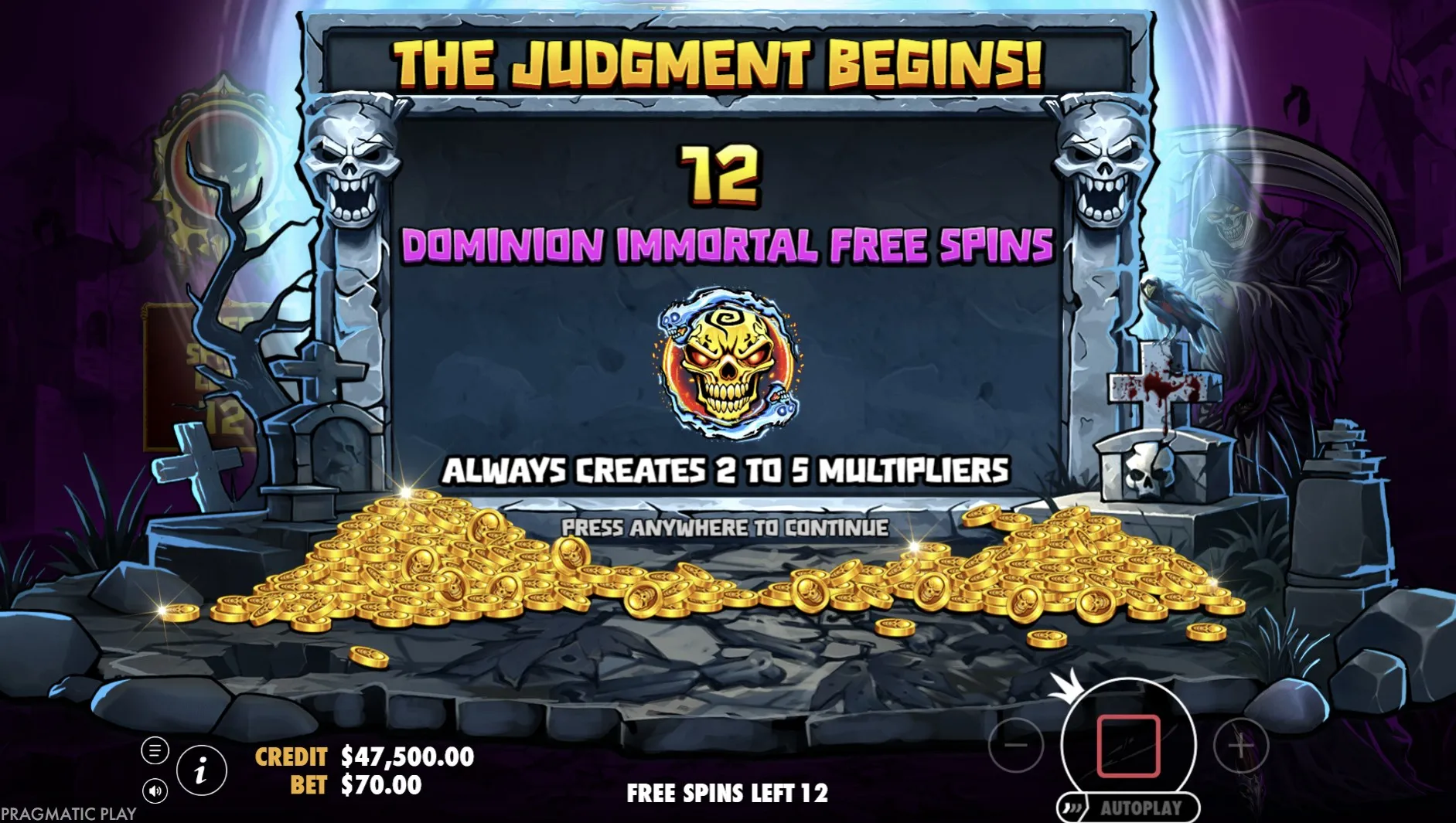
Start with the title
Open the information panel and check the title shown there. A short page heading and a longer game card can describe the same release, yet a similar name alone is not enough to identify its rules. Keep the page and the loaded game in view until you know which explanation you are reading.
The site describes its play as entertainment with virtual credits and no cash prizes. That is the context for this article. A large number on a simulated balance is not a cash amount, and a dramatic result message does not change what those credits represent. Read the unit beside the number.
Three questions before starting
- Which game and version does the information panel name?
- What does one round use, and where is that setting shown?
- Which symbols or conditions begin the feature described?
These questions keep social casino rules attached to something you can actually see. If a help page leaves one unanswered, treat it as an open question. There is no need to keep playing until an animation appears to provide the missing explanation.
Follow a round
It helps to separate the starting balance, the amount used for a round and the result shown afterward. Imagine a purely illustrative balance of 100 credits, with 10 used and 4 returned. The closing balance would be 94. The displayed return and the overall change answer different questions.
A celebration can accompany that returned amount without explaining the full balance change. Wait for the display to settle before comparing numbers. If the game offers a history panel, read its labels too; do not assume that a highlighted figure includes the amount used to start the round.
- Look for the label beside each total, not just its size.
- Separate a feature counter from the main credit balance.
- Leave an unclear result unresolved instead of guessing.
Sound and movement can make a small detail easy to miss. Lowering sound, where controls allow it, may make reading more comfortable. The separate article on phone screen checks considers that moment before another tap.
Compare the wording
Shared feature names do not establish identical behaviour. When comparing social casino rules, look for the stated trigger, what carries into a feature and when it ends. A name such as Hold and Win is a prompt to read those details, not a complete description of either game.
Read any exceptions beside the main explanation as well. A symbol may have a role only during a particular feature, or a counter may apply to that feature alone. Keeping the condition with the statement makes a short note more useful than copying a striking phrase without the sentence around it.
| On the screen | Useful question |
|---|---|
| Feature name | What condition starts it? |
| Round setting | What amount does this action use? |
| Result message | Is this a return or a balance change? |
A friend’s explanation can help locate a control, but it should not replace the wording in your own game. Ask which panel they read and whether their settings match. Our article on sharing games without scorekeeping suggests ways to exchange observations without making them predictions.
For a visit in 2026, the practical habit is still to read the version in front of you. Saved notes may describe an earlier screen. Check them against the current help text, and keep any comparison modest: one observed round does not establish a pattern or promise another result.
Author’s opinion
I prefer social casino rules that let me explain an action in an ordinary sentence before I use it. My aim is not to memorise every symbol. It is to understand enough to enjoy the presentation, recognise an unanswered question and feel comfortable closing the game without solving it.